


food plans
-

CARDIOMETABOLIC
The Cardiometabolic Food Plan is designed for the following individuals:
• Those at risk for heart disease, also called cardiovascular disease (CVD)
• Those at risk for metabolic syndrome, type 2 diabetes, or both
• Those with CVD (e.g., high blood pressure, high cholesterol, and elevated
blood fats)
• Those with metabolic syndrome (e.g., elevated blood sugar, increased
waist size)
• Those with type 2 diabetes -

ELIMINATION DIET
Health concerns that have failed to respond to other treatments may improve after completing IFM’s Elimination Diet. Specific foods may be related to a long list of health conditions, including digestive problems, headaches, chronic sinus drainage, low energy, depression, mood swings, eczema, skin irritations, joint aches, asthma, weight gain, and others.
Many suffer from these symptoms for long periods of time without realizing the connection to food. It isn’t until a food is eliminated from the diet, that the connection with symptoms can be made. IFM’s Elimination Diet firstly removes common food triggers, then helps you identify specific foods that may be causing ongoing symptoms through a personalized food reintroduction.The Elimination Diet is a short-term food plan. Healing the gut and being able to eat a wide variety of whole foods are the ultimate goals of the Elimination Diet. A diet with a wide variety of whole foods helps ensure that your body gets all essential nutrients, and this is especially important for anyone interested in improving their overall health.
Please discuss your symptoms with Dr. Martin prior to starting an Elimination Diet.
-
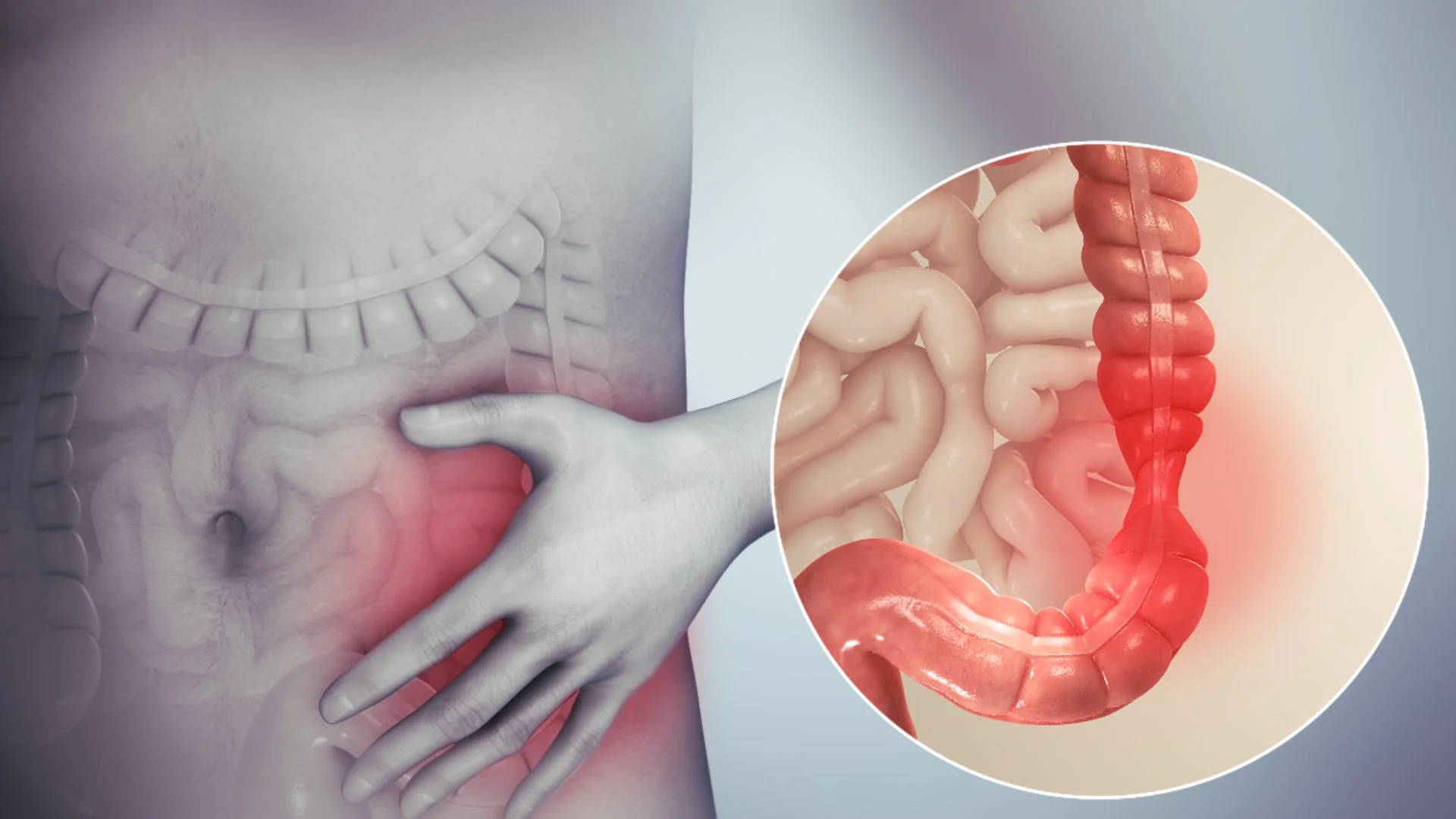
Low-FODMAP
The Low-FODMAP Food Plan is often intended for those who have been diagnosed with Small Intestinal Bacterial Overgrowth, also known as “SIBO,” as well as some cases of Irritable Bowel Syndrome (IBS), and even some instances of Inflammatory Bowel Disease (IBD).
Symptoms include gas, bloating, and changes in bowel movements with certain foods.
The Low-FODMAP Food Plan aims to limit food sources of certain carbohydrates and sugars which contain higher levels of:
• F: Fermentable
• O: Oligosaccharides (fructans and galactooligosaccharides)
• D: Disaccharides (lactose)
• M: Monosaccharides (fructose)
• A: And
• P: Polyols (sugar alcohols including sorbitol, xylitol, maltitol, mannitol, and
isomalt)Please discuss your symptoms with Dr. Martin prior to starting the Low-FODMAP Diet.
-

Mito
The Mito Food Plan is an anti-inflammatory, low-carbohydrate, high-quality-fats approach to eating designed to support energy production, overall vitality, and healthy aging. The plan focuses on supporting healthy mitochondria, which are structures in every cell that make energy. When mitochondria are working well, people are less likely to have symptoms of fatigue, pain, "brain fog," and others commonly associated with mitochondrial dysfunction. Mitochondrial dysfunction is also associated with diabetes and various neurological conditions, such as
Parkinson’s disease, Alzheimer’s disease, multiple sclerosis (MS), and amyotrophic lateral sclerosis (ALS; often called Lou Gehrig’s disease). Research indicates that nutrition, physical activity, sleep, and other lifestyle strategies can support mitochondrial health.The cells in the brain, heart, nerves, and muscles all have higher concentrations of mitochondria. Poor nutrition, high stress, inflammation, and toxin exposure can decrease the function of mitochondria in these areas of the body. Eating adequate protein and high-quality fats, maintaining stable blood sugar, reducing toxin exposure, and choosing more plant foods can prevent or reverse mitochondrial dysfunction. Thus, this plan’s focus is on determining the right quantity of carbohydrates, fats, proteins, and phytonutrients to fuel cellular energy production, decrease inflammation, and support blood sugar balance in your body.
-

Detox
Metabolic detoxification is an ongoing process: every day, your body’s organs are working to eliminate environmental toxins that come in from bacteria, air
pollution, plastics, and heavy metals, to name a few. One of the most common toxic chemical exposures is from pesticides, herbicides, and fertilizers used in agriculture.
Exposure to these toxins commonly occurs through water, food, air, and from time spent in the home or work environment.The amount of toxins in a person’s body is a result of three main factors. First, everyone has a different toxin exposure. Second, there are genetic differences in how a person’s body is able to produce enzymes that regulate detoxification. Lastly, an individual’s eating pattern can either support, or hinder the body’s ability to
process and eliminate toxins.
Symptoms may occur when a person reaches their personal limit of accumulated toxins. There are processes in the body responsible for converting toxins into chemical compounds which can be eliminated (primarily through the urine or stool).
Researchers are recognizing more symptoms related to the buildup of toxins, including obesity, type 2 diabetes, metabolic syndrome, cancer, infertility, allergies,
behavior and mood disorders, neurological conditions, and cognitive difficulties, along with several other diseases like Parkinson’s and dementia.Detoxification may also be helpful for individuals who have imbalanced levels of sex hormones such as estrogen, testosterone, and progesterone. Sex hormones, such as estrogen, must go through the same liver pathways as toxins before being removed from the body.